
Employee app and back-office for a distributed workforce
A services company in Central Europe coordinated a large team working across many sites through spreadsheets and messenger groups. We built a mobile app for employees and a web back-office for coordinators, covering hours, schedules, chat and notifications, and rolled it out site by site.
Technologies used
React Native, Expo, Python, Django, Next.js, REST API, push notifications, CRM integration (webhooks)
Tools
Jira, Figma, GitHub, Sentry, Firebase App Distribution
10
Project members
20 months (ongoing)
Project length
Custom Software Development, Mobile App
Category
Workforce Management
Branch
The challenge
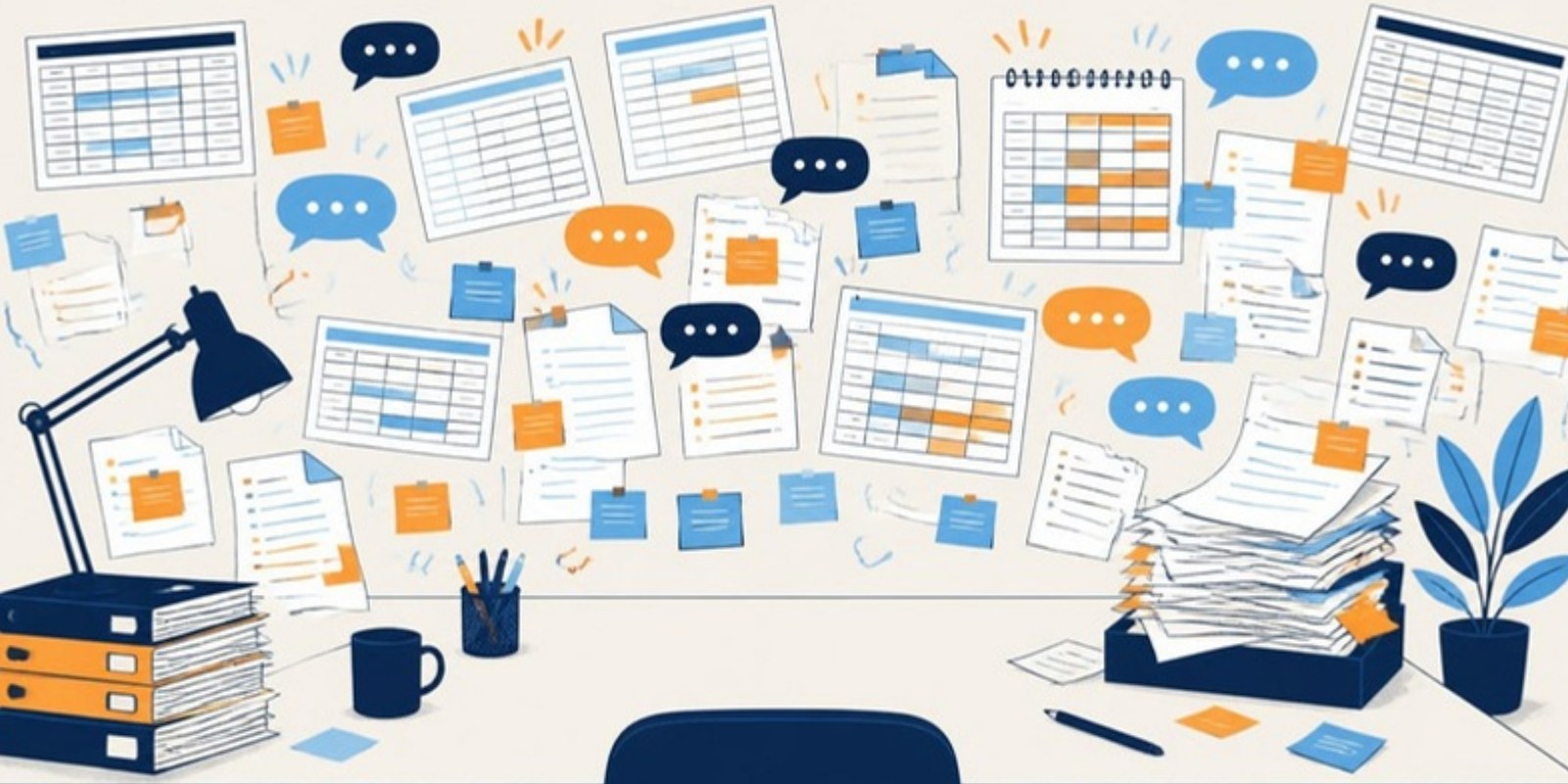
The client's people work across many sites and projects at the same time. Day-to-day work with them ran through spreadsheets, phone calls and large messenger groups: schedules were sent as files, working hours were collected and reconciled by hand, and coordinators had no single place to see who works where and when. The company wanted one system instead: a mobile app that employees actually use every day, a web back-office for coordinators and team leaders, and a clean connection to the CRM its back office was moving to. The app had to work for people with little patience for complicated software, in several languages, and it had to be introduced without stopping ongoing operations, one site and one coordinator at a time.
The hardest part was not a single feature but the rollout. We were replacing habits built on spreadsheets and chat groups, so every release had to make a coordinator's day easier from the first week, or it would not be used.

Key Features
- Mobile app for iOS and Android with phone-number sign-in and one-time link onboarding
- Work-time logging, including night shifts that span midnight
- Schedules delivered to workers directly in the app's group chat
- Group chat, community channels and an in-app support channel
- Availability and absence requests, released per group with feature flags
- Web back-office for coordinators and team leaders: users, projects, groups, schedules and hours export to spreadsheets
- Two-way synchronisation with the CRM, with protection against duplicates and update loops
The result
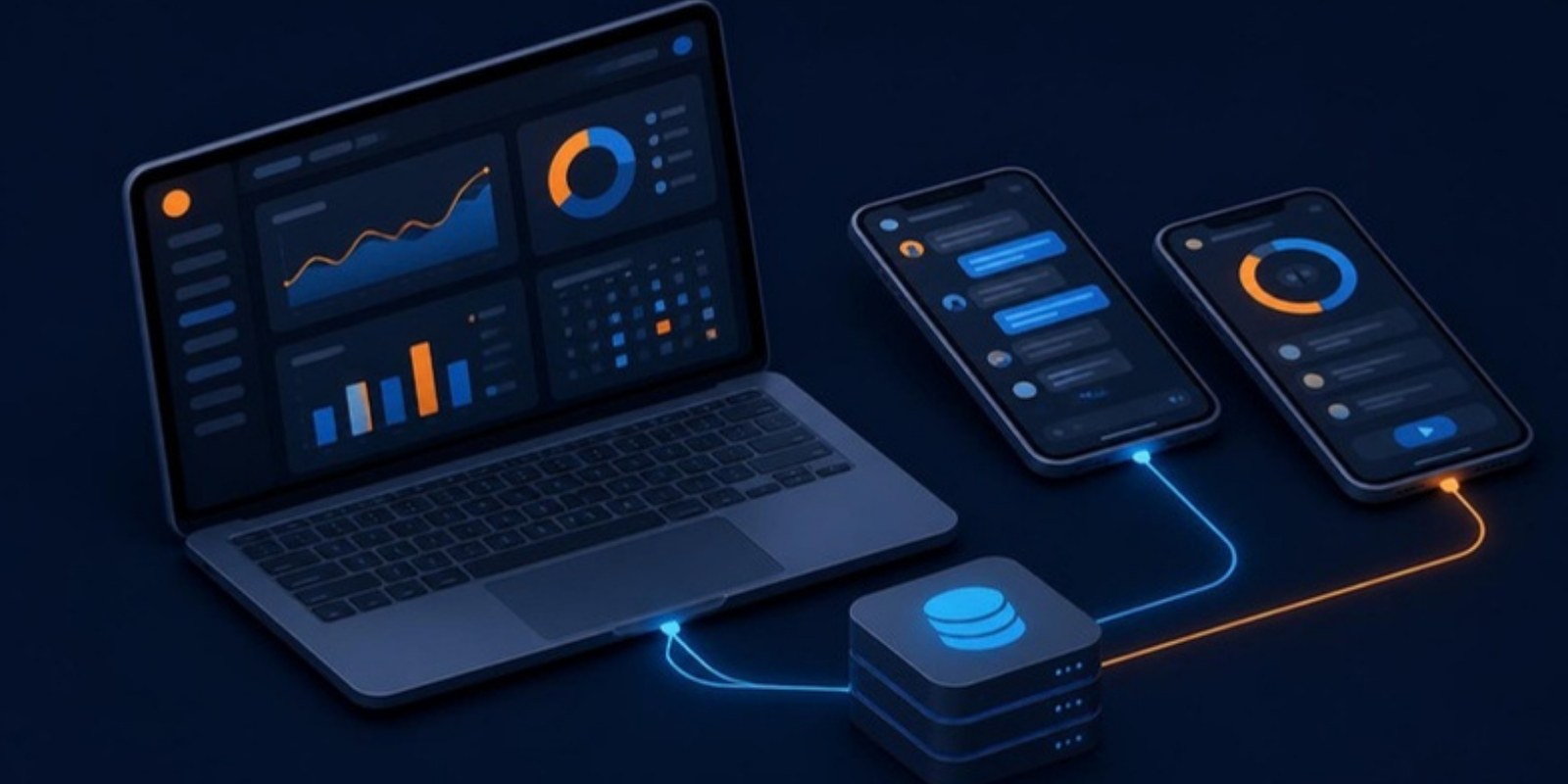
The employee app is published in both app stores and was introduced in stages: first a pilot group with one coordinator, then further groups and sites, with chat and time tracking first and schedules, perks and absence handling following. Feature flags, forced updates and over-the-air updates let us release to selected groups first, and crash monitoring and product analytics show how the app is actually used, which is how adoption is tracked against agreed KPIs. Coordinators now manage schedules, groups and hours from one web panel and export hours for any site and month, instead of assembling them from spreadsheets. Since March 2026 the team has also used AI coding agents in daily development: work is described as tickets, agents prepare changes as pull requests, and engineers review and decide what is merged.
- Employee app live on iOS and Android, rolled out site by site without stopping operations
- One back-office for coordinators and team leaders instead of spreadsheets and file-based schedules
- Controlled releases with feature flags, forced updates and over-the-air updates
- Usage tracked through product analytics and an operational dashboard with agreed KPIs
- Agentic AI development workflow with human review on every change
We designed the platform so that each module can be switched on for one group at a time. That gave the client a way to test with real workers early and scale only what worked, and it gave us a codebase that stays easy to change while the product keeps growing.

What kind of competencies are you looking for?
Contact me to discuss your requirements and build your dedicated IT team together with us.

Agnes
business development specialist
Get a quote or advice

Let’s investigate your project concept and its current status together.

Expect an initial project scope proposal, time and cost estimation from us.

The consultancy will be protected by the NDA.